
The Role of Machine Learning in Modern Mobile Applications

Alex Johnson
Senior AI Engineer
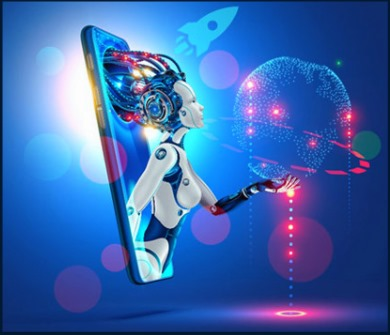
Machine learning is fundamentally transforming mobile applications, enabling them to deliver more personalized, intelligent, and efficient experiences than ever before. This comprehensive exploration examines the various ways machine learning is being integrated into modern mobile applications and the profound impact it's having on user engagement and functionality.
Personalization and User Experience
Machine learning algorithms can analyze vast amounts of user behavior data and preferences to deliver highly personalized experiences that adapt to individual user needs:
Content Recommendation Systems
- Collaborative filtering: Recommend content based on similar users' preferences and behaviors
- Content-based filtering: Suggest items similar to those users have previously engaged with
- Hybrid approaches: Combine multiple recommendation techniques for improved accuracy
- Real-time personalization: Adapt recommendations based on current user context and behavior
- Cross-platform synchronization: Maintain personalization across multiple devices and platforms
- Contextual recommendations: Consider time, location, and device type for more relevant suggestions
Adaptive User Interfaces
- Dynamic layout optimization: Adjust interface elements based on user interaction patterns
- Personalized navigation: Customize menu structures and shortcuts for individual users
- Accessibility adaptations: Automatically adjust for users with different accessibility needs
- Usage pattern analysis: Optimize interface based on most frequently used features
- A/B testing automation: Continuously test and optimize interface elements for better engagement
Intelligent Notification Systems
- Optimal timing prediction: Send notifications when users are most likely to engage
- Content personalization: Customize notification content based on user preferences
- Frequency optimization: Adjust notification frequency to prevent user fatigue
- Channel selection: Choose the most effective communication channel for each user
- Behavioral triggers: Send contextually relevant notifications based on user actions
Computer Vision and Image Processing
Machine learning has revolutionized image processing capabilities in mobile applications, enabling sophisticated visual recognition and analysis features:
Facial Recognition Technology
Facial recognition technology has become increasingly sophisticated and is now used across various mobile application domains:
- Biometric authentication: Secure device unlocking and app access using facial recognition
- Photo organization: Automatically tag and organize photos based on people identification
- Augmented reality effects: Real-time face filters and virtual makeup applications
- Emotion detection: Analyze facial expressions to determine user mood and emotional state
- Age and gender estimation: Provide demographic insights for targeted content delivery
- Attendance tracking: Automated check-in systems for workplace and educational applications
- Social media integration: Automatic tagging and friend suggestions in social platforms
Object Detection and Recognition
Object detection capabilities enable applications to identify and track objects in real-time, powering innovative features:
- Visual search: Search for products by taking photos instead of typing queries
- Augmented reality shopping: Overlay product information and reviews on real-world objects
- Document scanning: Automatically detect and digitize documents, receipts, and business cards
- Food recognition: Identify food items for nutrition tracking and calorie counting
- Plant and animal identification: Educational apps for nature exploration and learning
- Quality control: Industrial applications for automated defect detection
- Inventory management: Automated stock tracking and management systems
Advanced Image Processing Features
- Image enhancement: Automatic photo improvement using AI-powered filters and corrections
- Background removal: Intelligent background segmentation for photo editing
- Style transfer: Apply artistic styles to photos using neural networks
- Super-resolution: Enhance image quality and resolution using machine learning
- OCR (Optical Character Recognition): Extract text from images with high accuracy
Natural Language Processing
Natural language processing (NLP) is enabling more natural and intuitive interactions between users and mobile applications:
Voice Assistants and Speech Recognition
- Voice commands: Control app functionality through natural speech
- Speech-to-text conversion: Accurate transcription of spoken words to text
- Multi-language support: Recognition and processing of multiple languages and dialects
- Accent adaptation: Learning and adapting to individual speech patterns and accents
- Noise cancellation: Filtering background noise for improved recognition accuracy
- Offline processing: On-device speech recognition for privacy and performance
Intelligent Text Processing
- Smart replies: Automatically generate contextually appropriate response suggestions
- Sentiment analysis: Understand emotional tone in text communications
- Language translation: Real-time translation of text and speech across multiple languages
- Text summarization: Automatically generate summaries of long documents or articles
- Intent recognition: Understand user intentions from natural language input
- Grammar and spell checking: Intelligent correction and suggestion systems
Conversational AI and Chatbots
- Customer support automation: Intelligent chatbots for handling user inquiries
- Personal assistants: AI-powered helpers for scheduling, reminders, and task management
- Educational tutors: Interactive learning assistants for personalized education
- Healthcare advisors: AI assistants for health monitoring and medical guidance
- Shopping assistants: Personalized shopping recommendations and purchase assistance
Predictive Analytics and Behavioral Intelligence
Machine learning enables mobile applications to predict user behavior and proactively provide relevant services:
User Behavior Prediction
- Usage pattern analysis: Predict when users are most likely to use specific features
- Churn prediction: Identify users at risk of abandoning the application
- Lifetime value estimation: Predict the long-term value of individual users
- Feature adoption forecasting: Predict which new features users are likely to adopt
- Engagement optimization: Predict optimal times for user engagement and interaction
Contextual Intelligence
- Location-based predictions: Anticipate user needs based on geographic location
- Temporal pattern recognition: Understand time-based usage patterns and preferences
- Device context awareness: Adapt functionality based on device type and capabilities
- Network condition optimization: Adjust performance based on connectivity quality
- Battery usage optimization: Predict and optimize battery consumption patterns
Conclusion
Machine learning is fundamentally changing what's possible in mobile applications, creating opportunities for more intelligent, personalized, and efficient user experiences. The key benefits and future directions include:
- Enhanced personalization: Applications that truly understand and adapt to individual user preferences
- Improved accessibility: AI-powered features that make apps more accessible to users with disabilities
- Increased efficiency: Automation of routine tasks and intelligent assistance for complex operations
- Better user engagement: Predictive features that anticipate user needs and provide proactive assistance
- Advanced security: Biometric authentication and behavioral analysis for enhanced security
- Real-time intelligence: Instant analysis and response to user actions and environmental changes
- Cross-platform consistency: Unified intelligent experiences across multiple devices and platforms
By leveraging these machine learning technologies, developers can create mobile applications that not only respond to user actions but anticipate user needs, providing intelligent, personalized, and efficient mobile experiences that were previously impossible to achieve.
As machine learning technology continues to evolve, we can expect even more sophisticated capabilities to emerge, including improved on-device processing, better privacy-preserving techniques, and more advanced AI models that can understand and respond to complex user contexts and requirements.
The future of mobile applications lies in the seamless integration of machine learning capabilities that enhance rather than complicate the user experience, creating truly intelligent applications that serve as powerful tools for productivity, entertainment, and daily life management.
Alex Johnson
Senior AI Engineer
Alex has over 10 years of experience in AI and machine learning, specializing in natural language processing and computer vision applications.
Related Articles

Scaling SaaS Applications: Architecture and Best Practices
Discover the architectural patterns and best practices for building scalable SaaS applications.
Michael Rodriguez
CTO

Building Secure Blockchain Applications: Best Practices
Learn the essential security practices for developing robust and secure blockchain applications.
Samantha Chen
Web3 Architect

The Future of AI in Enterprise Software Development
Explore how artificial intelligence is transforming enterprise software development and what it means for businesses.
Alex Johnson
Senior AI Engineer